Exam Guides3 min read
PSLE Science OEQ Guide: How to Answer Booklet B
Learn how to answer PSLE Science open-ended questions with a three-part Booklet B guide covering common mistakes, precise wording and experiments.
Read
From the MCQ.SG team
Part 1 of 3 of the PSLE Science OEQ Guide: writing the answer is its own skill, and it is rarely taught. Here are the seven ways marks go missing in Booklet B.
Replace vague words such as “disappeared” with precise PSLE Science descriptions. Learn how accuracy earns OEQ marks without memorising one fixed answer.
Learn when a PSLE Science conclusion needs supporting data, how to choose relevant evidence, and when a clear trend is enough.
A textbook fact can be correct yet fail to answer the PSLE Science question. Use a ten-second check to connect your OEQ response to the given evidence.
Make the science link in your PSLE Science explanation clear. Learn to connect cause and effect in a concise answer that addresses the question.
For a PSLE Science explain question, repeating the observation leaves out the reason. Use the highlight test to check that your answer explains why.
Conditions such as “without moving the torch” rule out easy answers. Learn how to spot and obey them in PSLE Science open-ended questions before writing.
PSLE Science command words such as explain, describe and compare ask for different answers. Learn a ten-second check that keeps your response on task.
Learn the seven common PSLE Science OEQ mistakes that cost Booklet B marks, from missed command words to vague phrasing, with one practical fix for each.
Part 2 of 3 of the PSLE Science OEQ Guide: saying the science accurately, topic by topic, and why the everyday phrase gets it wrong.
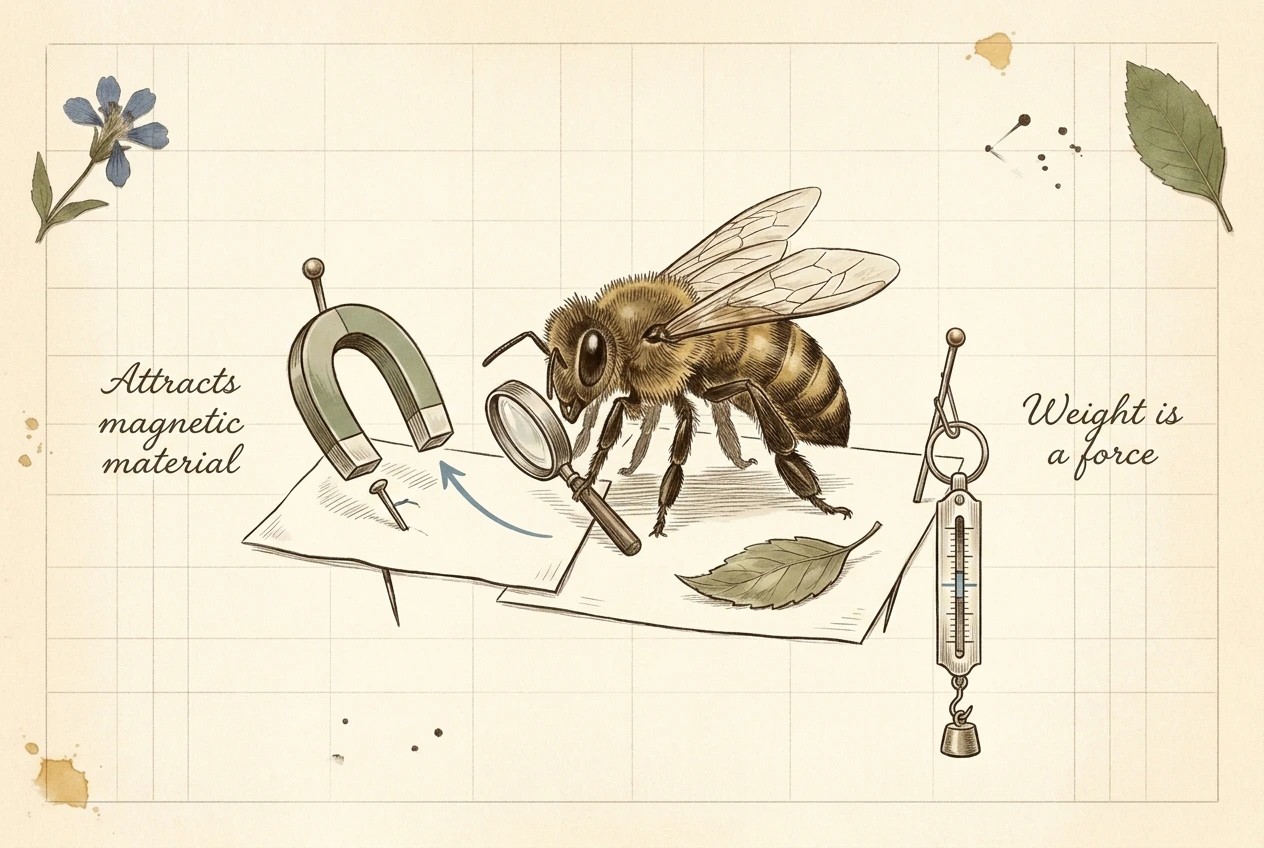
Improve PSLE Science OEQ answers about forces and magnets by distinguishing attraction, magnetic materials, mass and weight with precise wording.
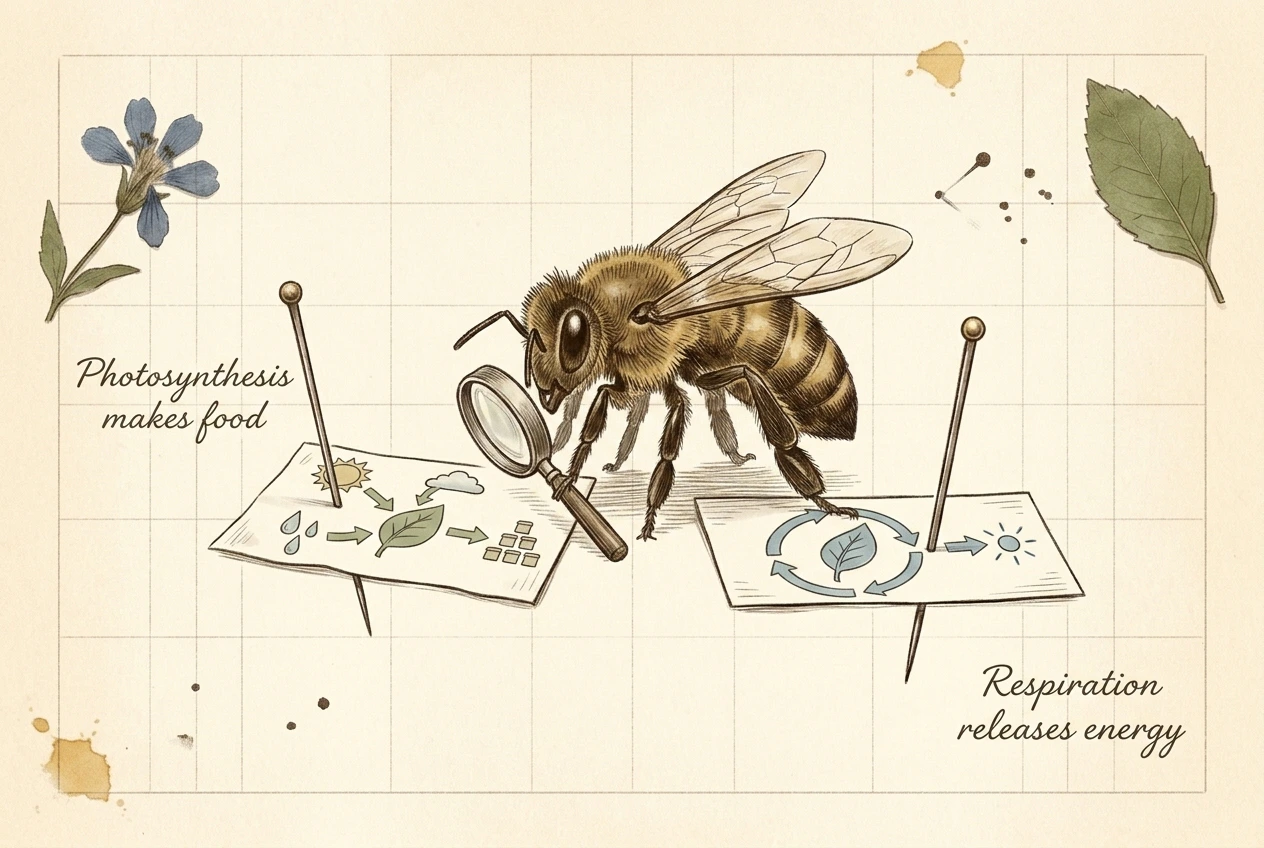
Improve PSLE Science OEQ answers by distinguishing photosynthesis from respiration and naming the correct gases, food and process in each sentence.
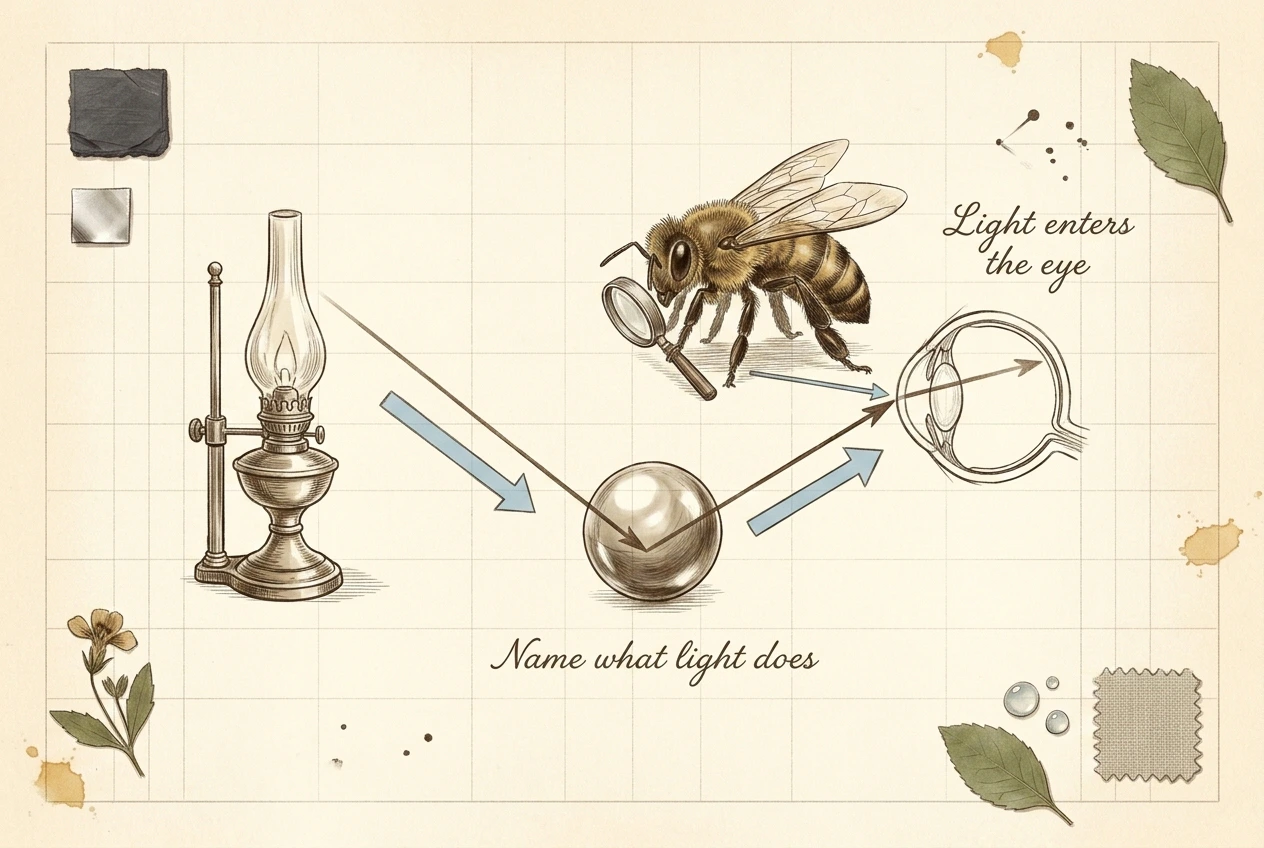
Improve PSLE Science OEQ answers about light with precise explanations of how we see and how transparent, translucent and opaque materials behave.
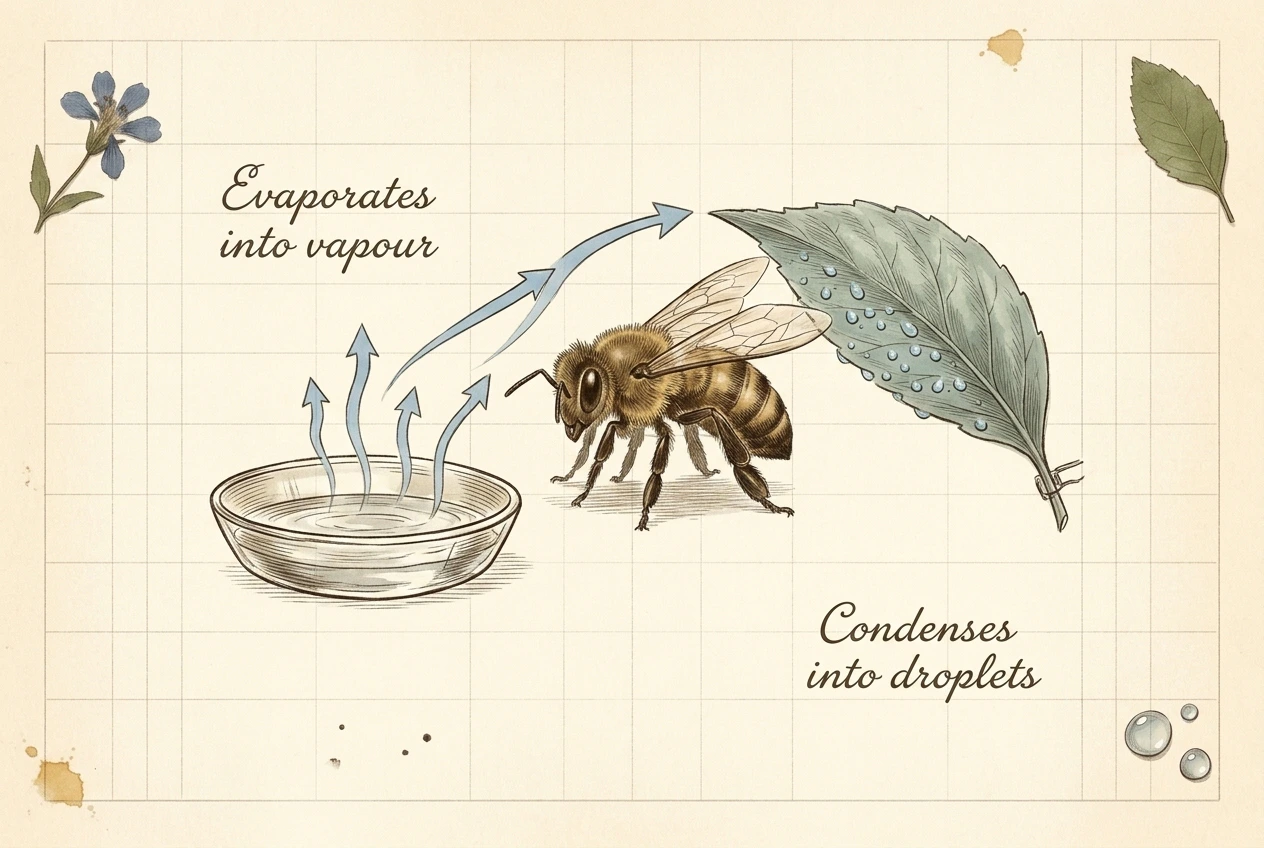
Improve PSLE Science water-cycle answers by replacing “disappeared”, “melted” and “steam” with precise descriptions of changes of state in OEQ responses.
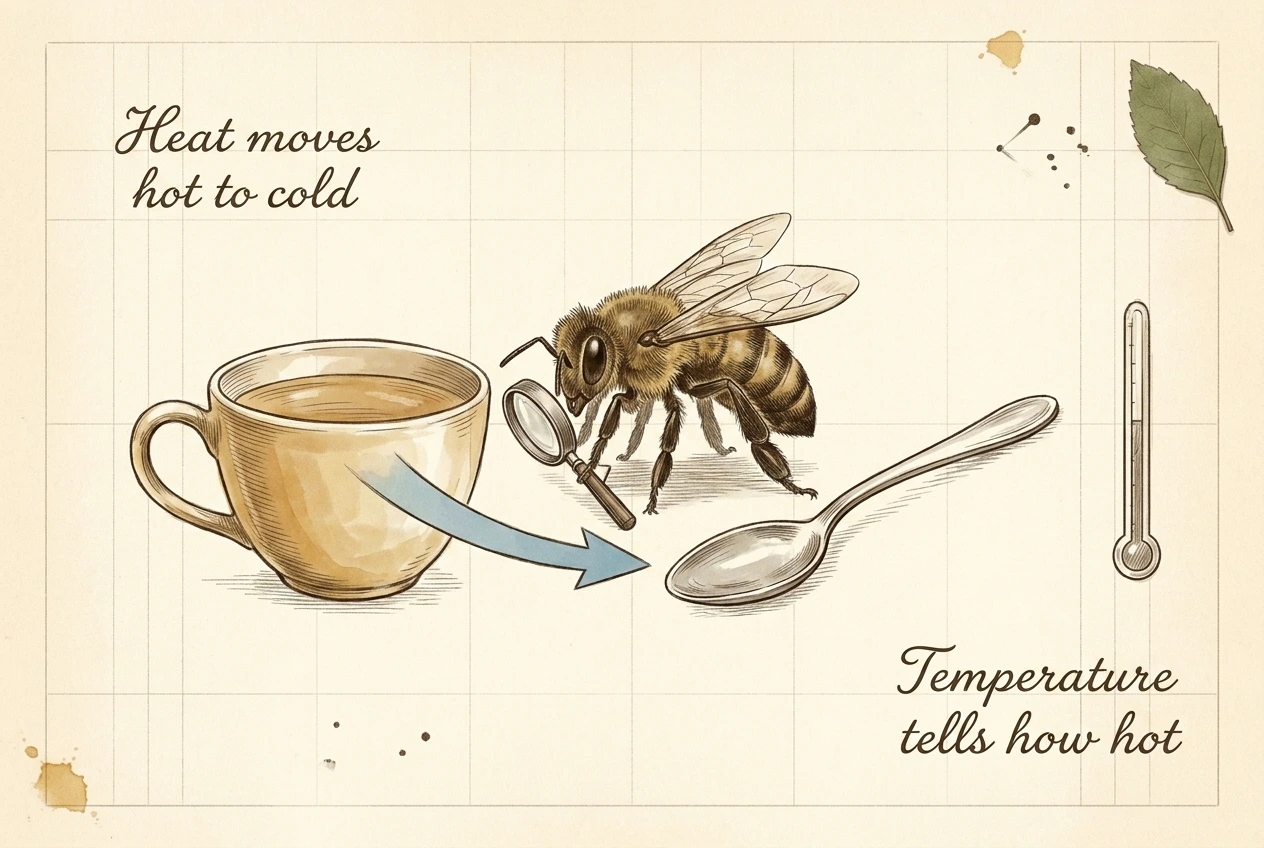
Improve PSLE Science OEQ answers about heat and temperature by replacing vague everyday words with precise descriptions of energy transfer and change.
Part 3 of 3 of the PSLE Science OEQ Guide: build a full experiment answer, using everything from Parts 1 and 2.
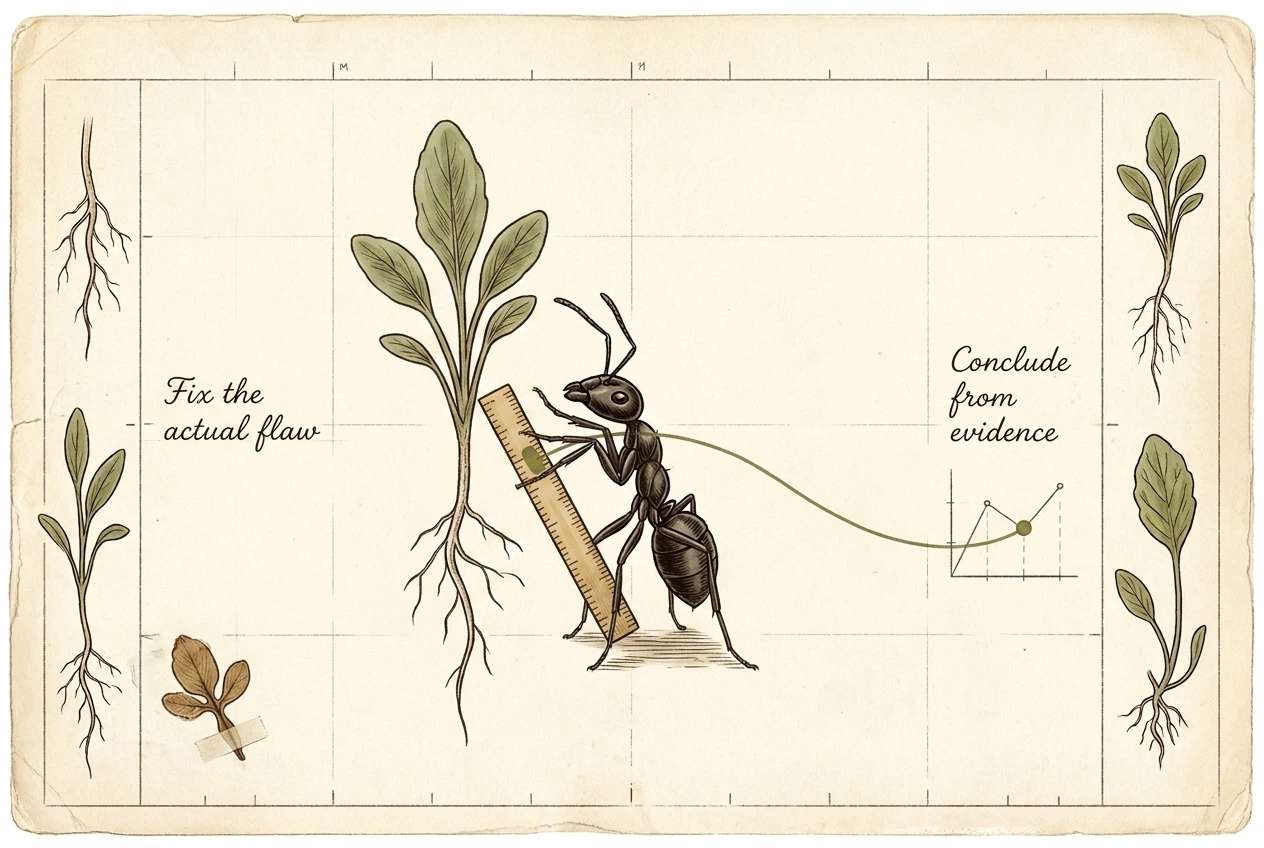
Match reliability, accuracy or fairness to the flaw in a PSLE Science experiment, then write a conclusion that stays within the evidence provided.
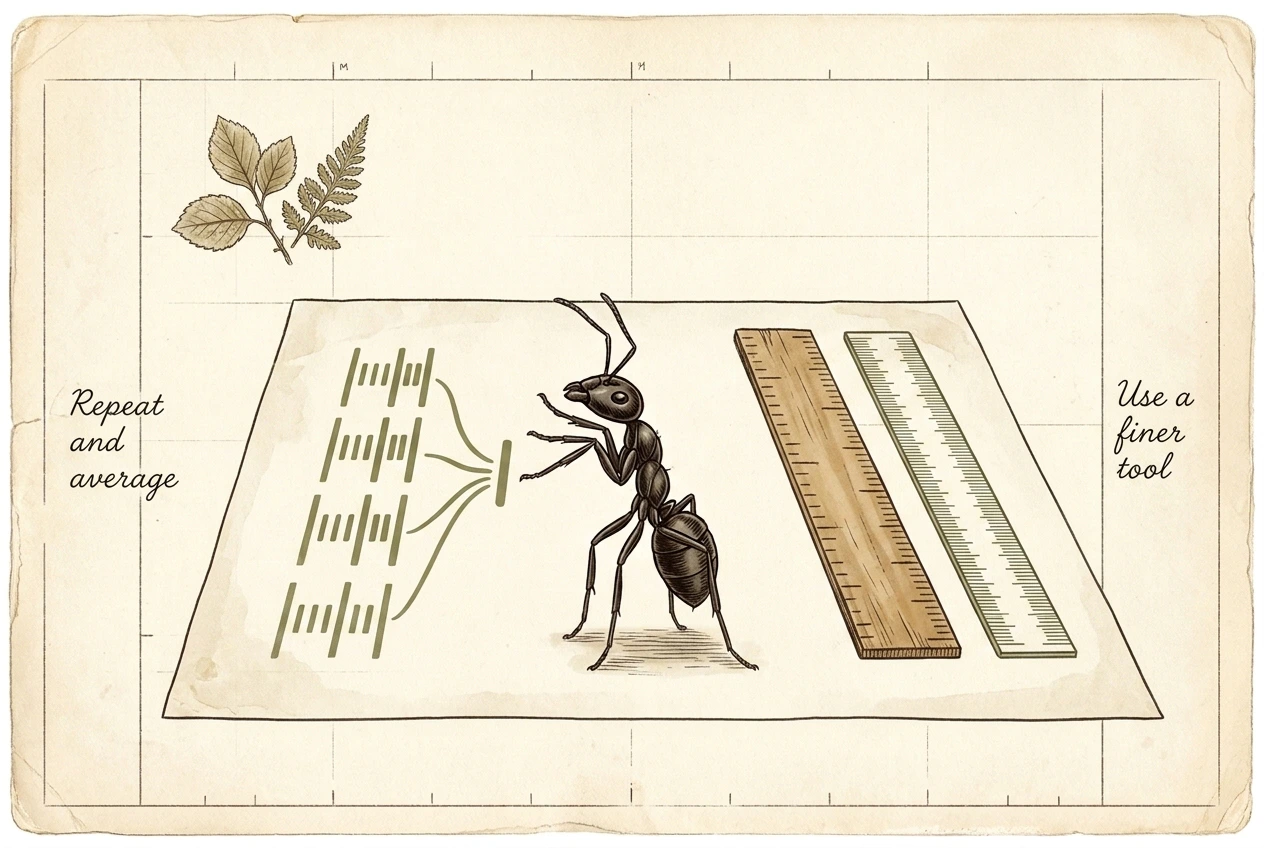
Reliability and accuracy require different fixes in PSLE Science experiments. Learn when to repeat and average, and when to use a finer measuring tool.
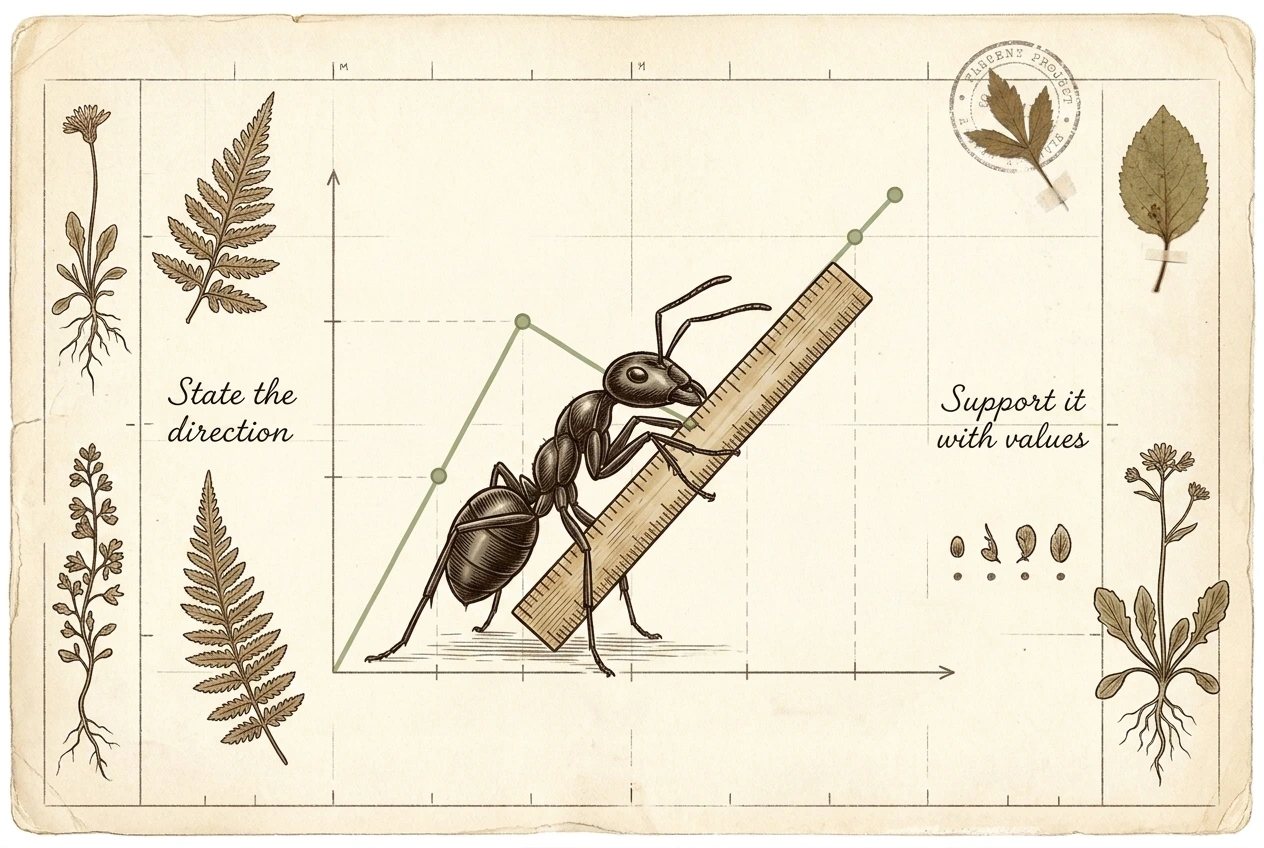
Describe the relationship in a PSLE Science table or graph. Name both variables, state the trend and add data when the question asks for evidence.
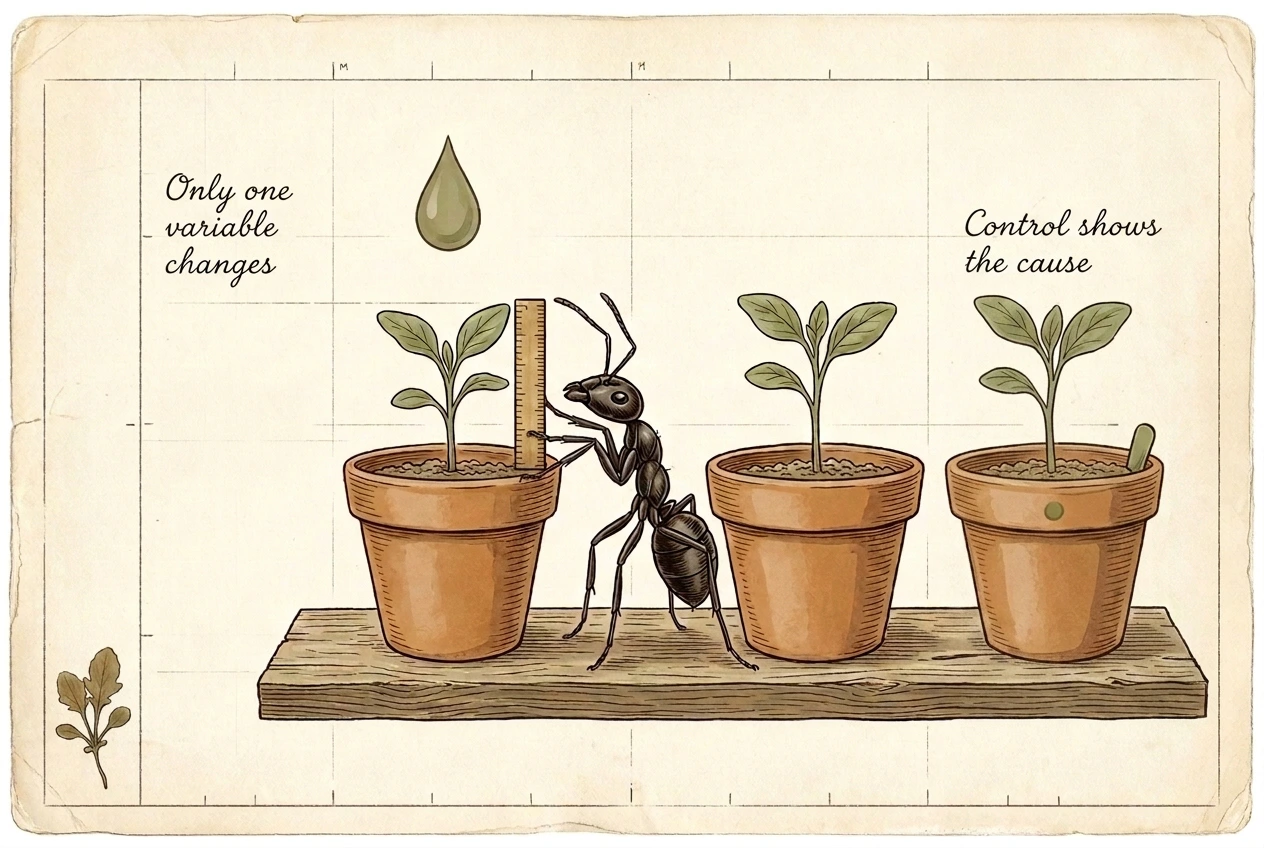
Tell fair tests and control set-ups apart in PSLE Science. Explain which variables need to stay the same and what the control lets you compare.
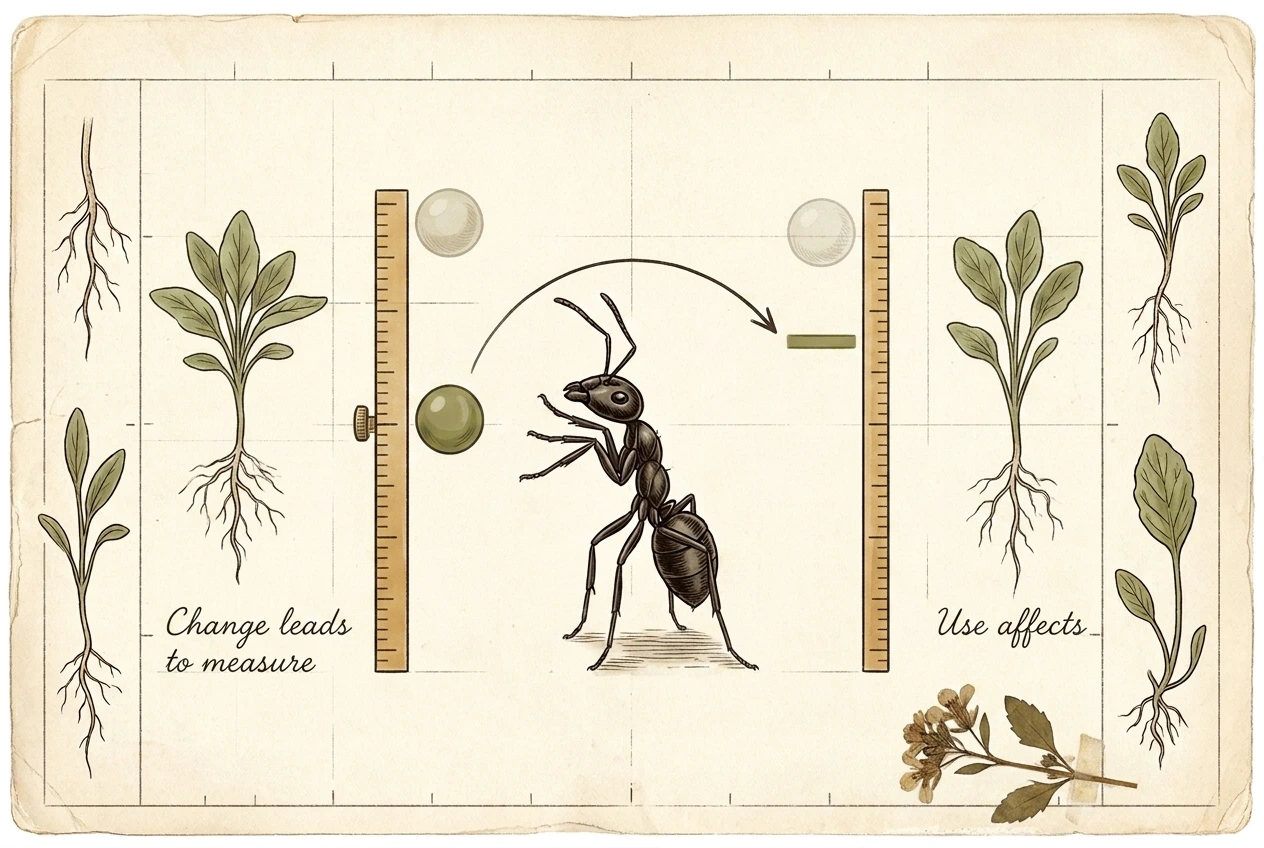
Write a PSLE Science experiment aim in one clear sentence by linking the changed variable to the measured variable with the word “affects” correctly.
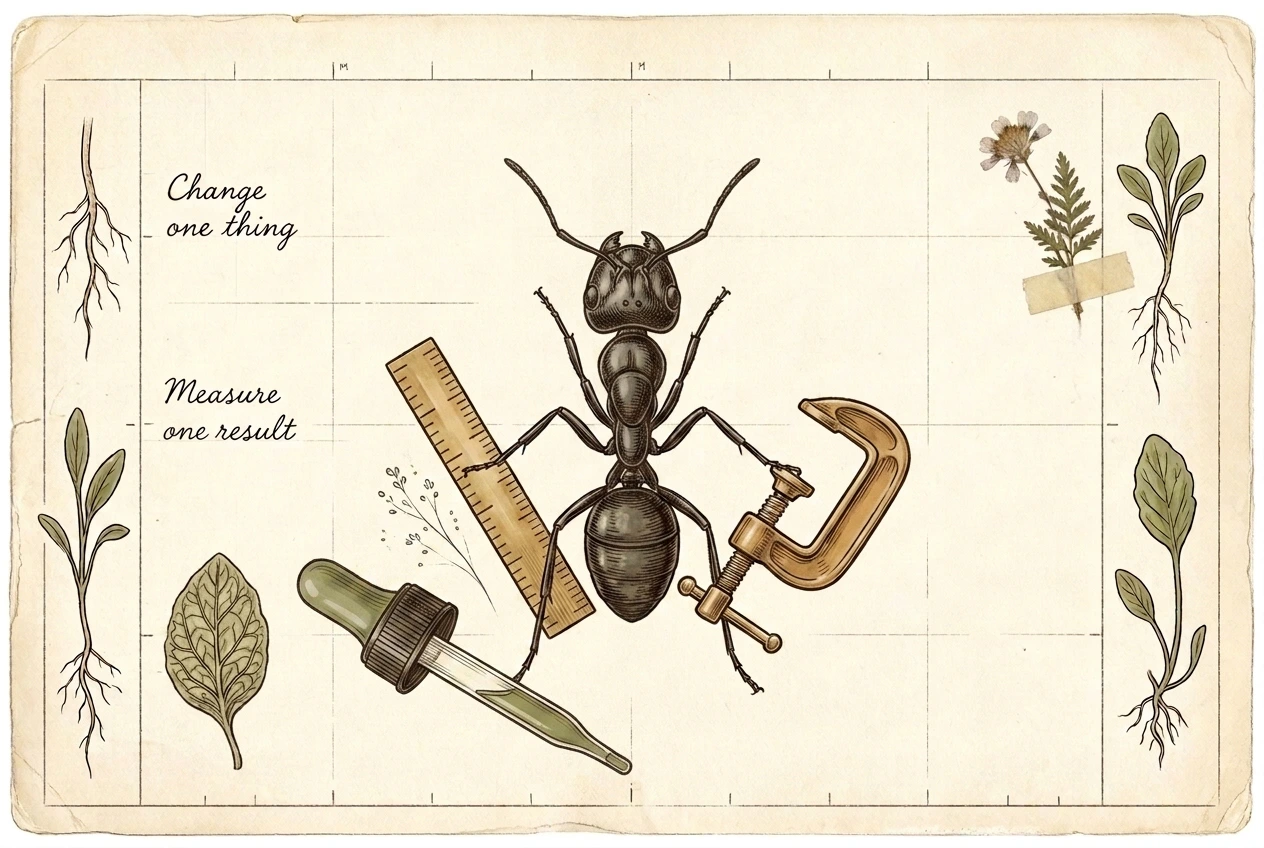
Learn to identify changed, measured and controlled variables in PSLE Science experiments, why only one variable changes, and how each appears in an answer.
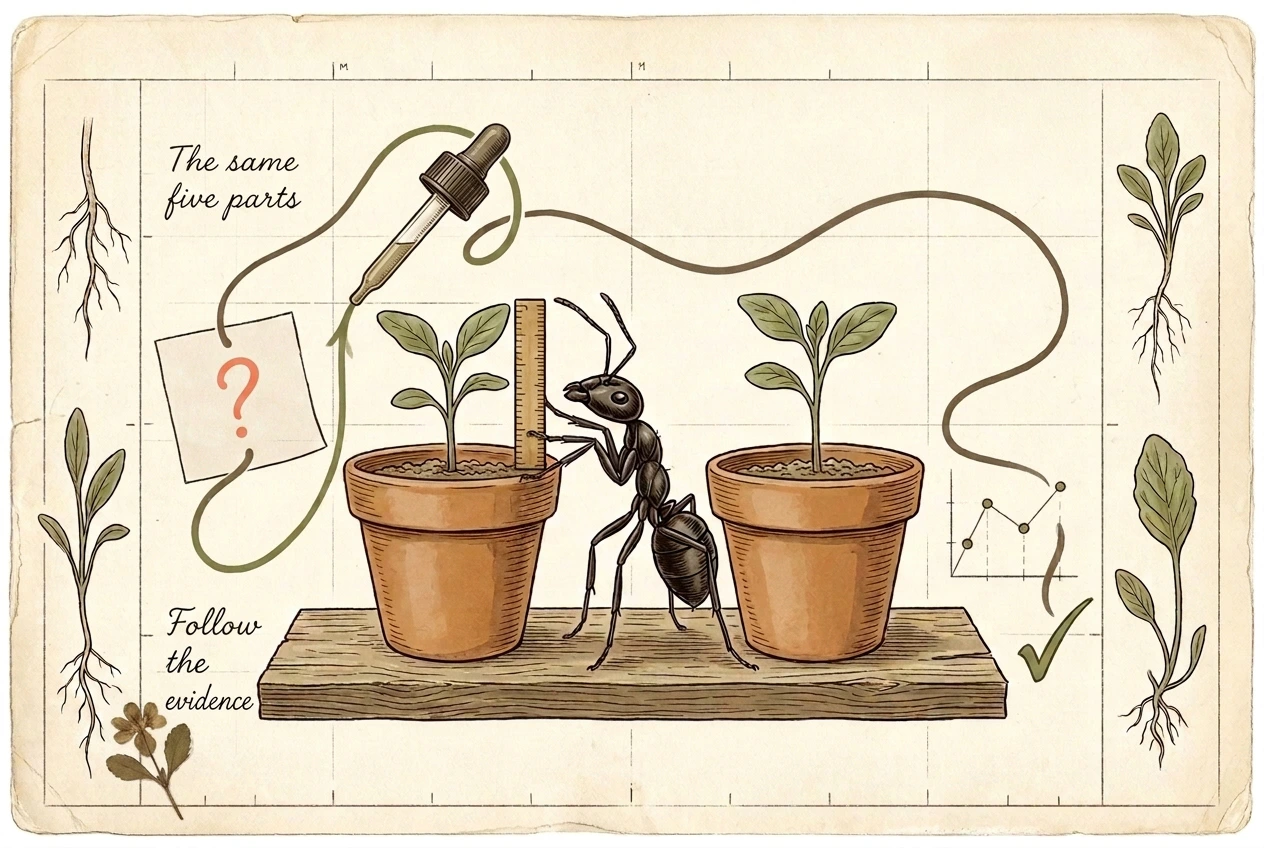
Learn the five common parts of PSLE Science experiment questions—aim, variables, fair test, results and conclusion—so unfamiliar set-ups feel manageable.
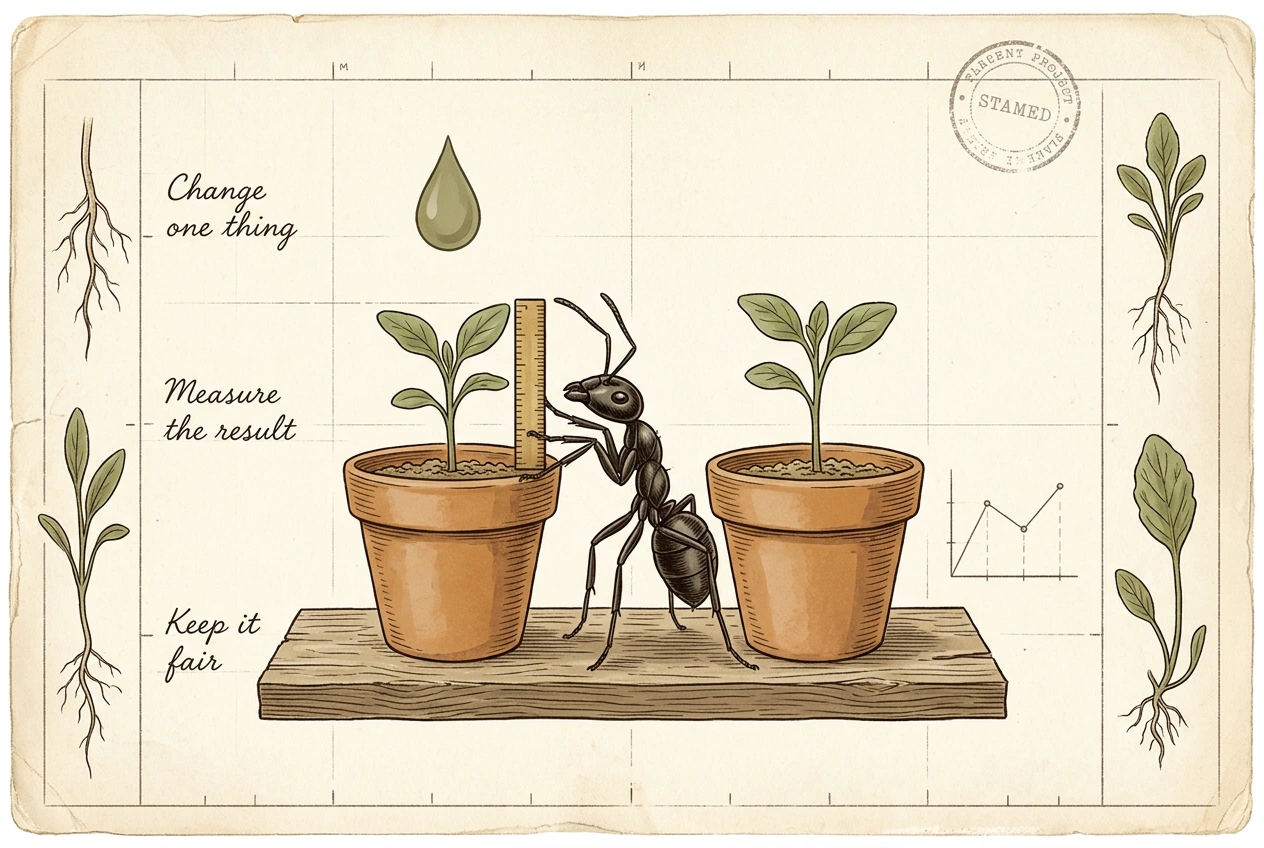
Experiment skills start before P6. See how PSLE Science experiment questions build from P3 to P6 while the same reasoning about variables and evidence remains.
Six PSLE Science pairs that sound alike but test completely differently, and the one experiment that tells each pair apart.
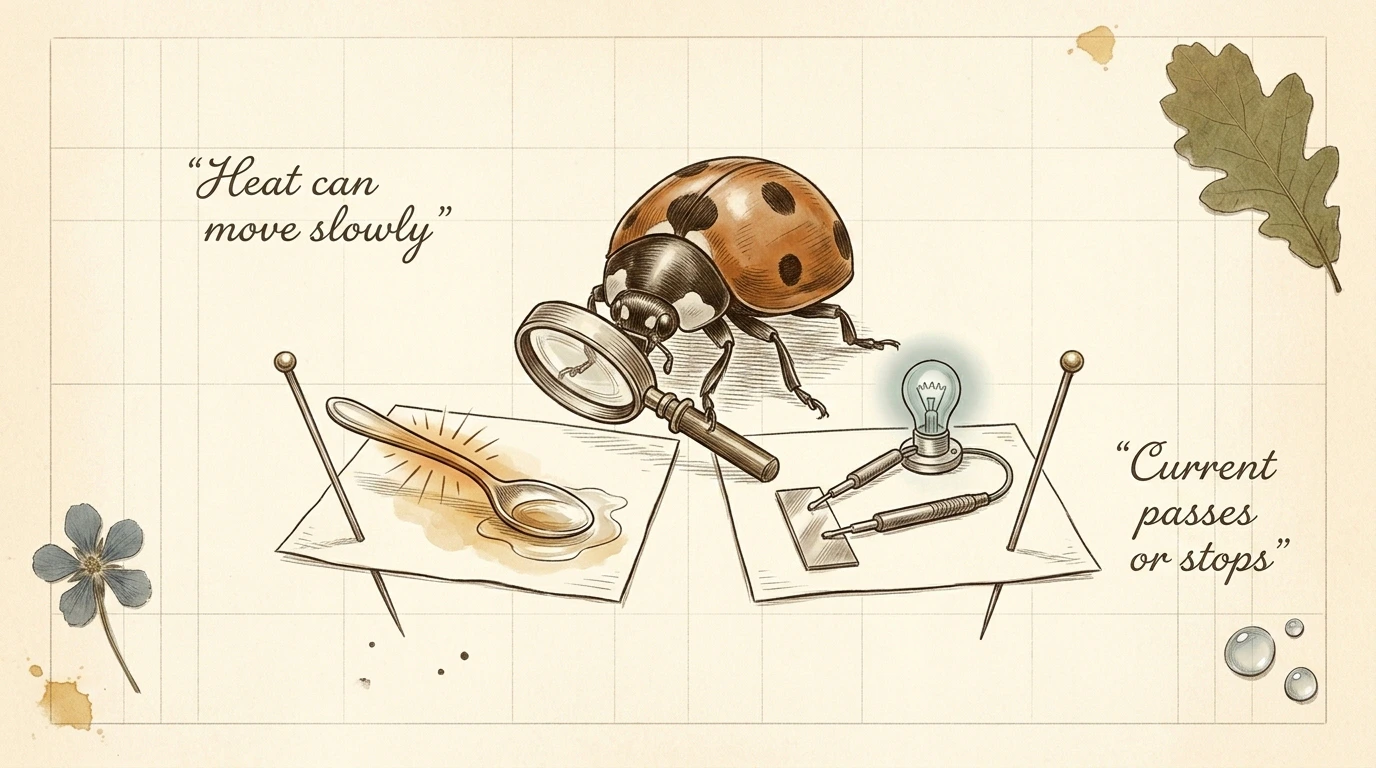
Heat conductors and electrical conductors are tested differently. Compare insulation, current and material properties in PSLE Science questions clearly.
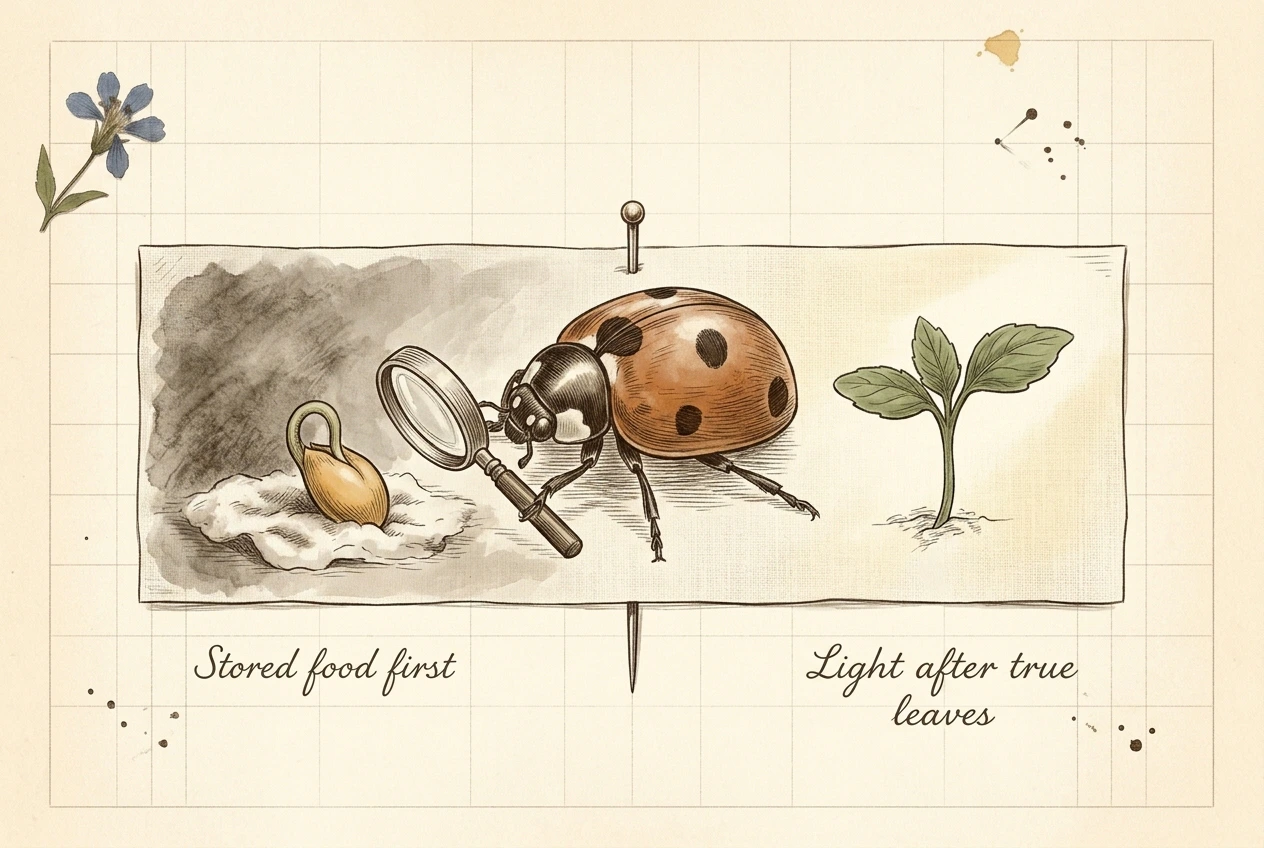
Seeds do not need sunlight to germinate, but seedlings need it to keep growing. Compare the conditions for germination and photosynthesis in PSLE Science.
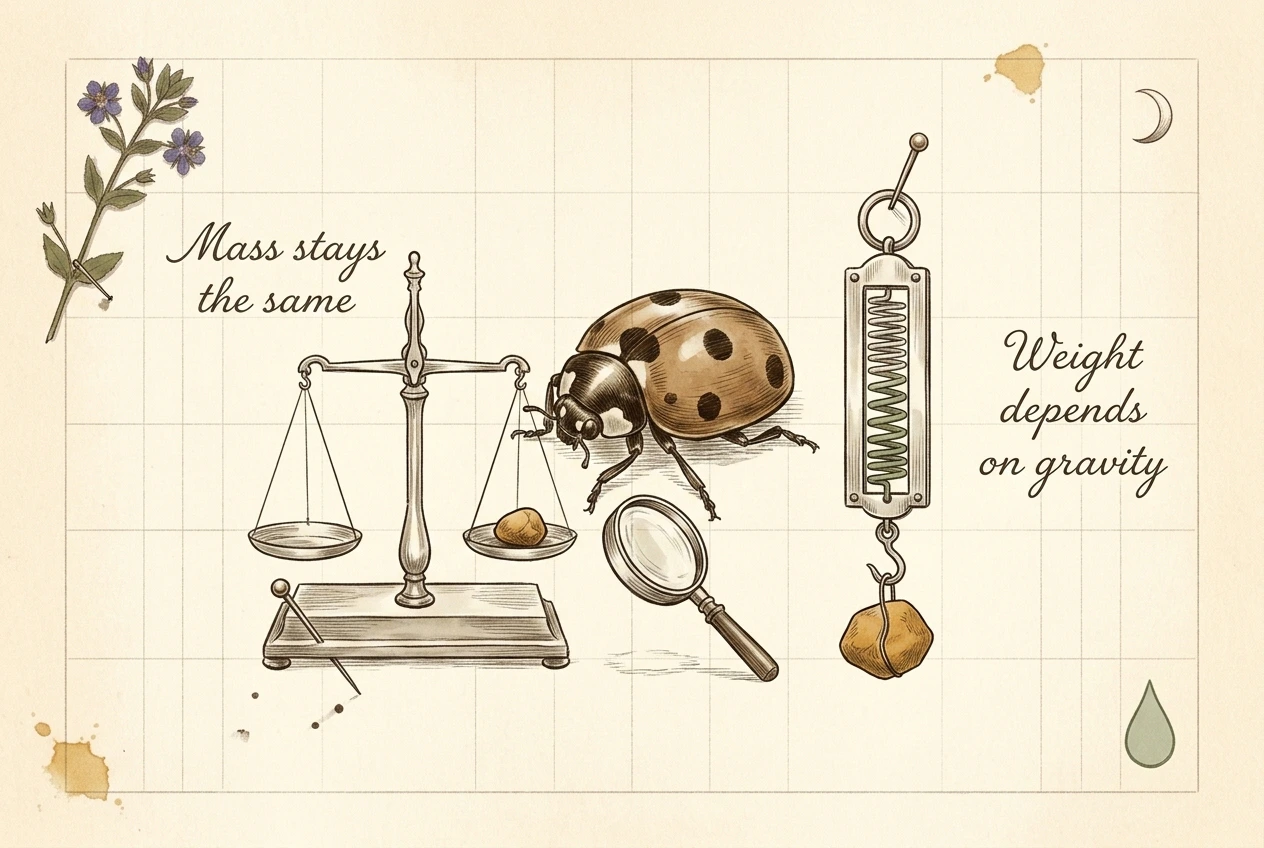
Mass and weight are different quantities: one measures matter and the other a force. Use the Moon example to tell them apart in PSLE Science.
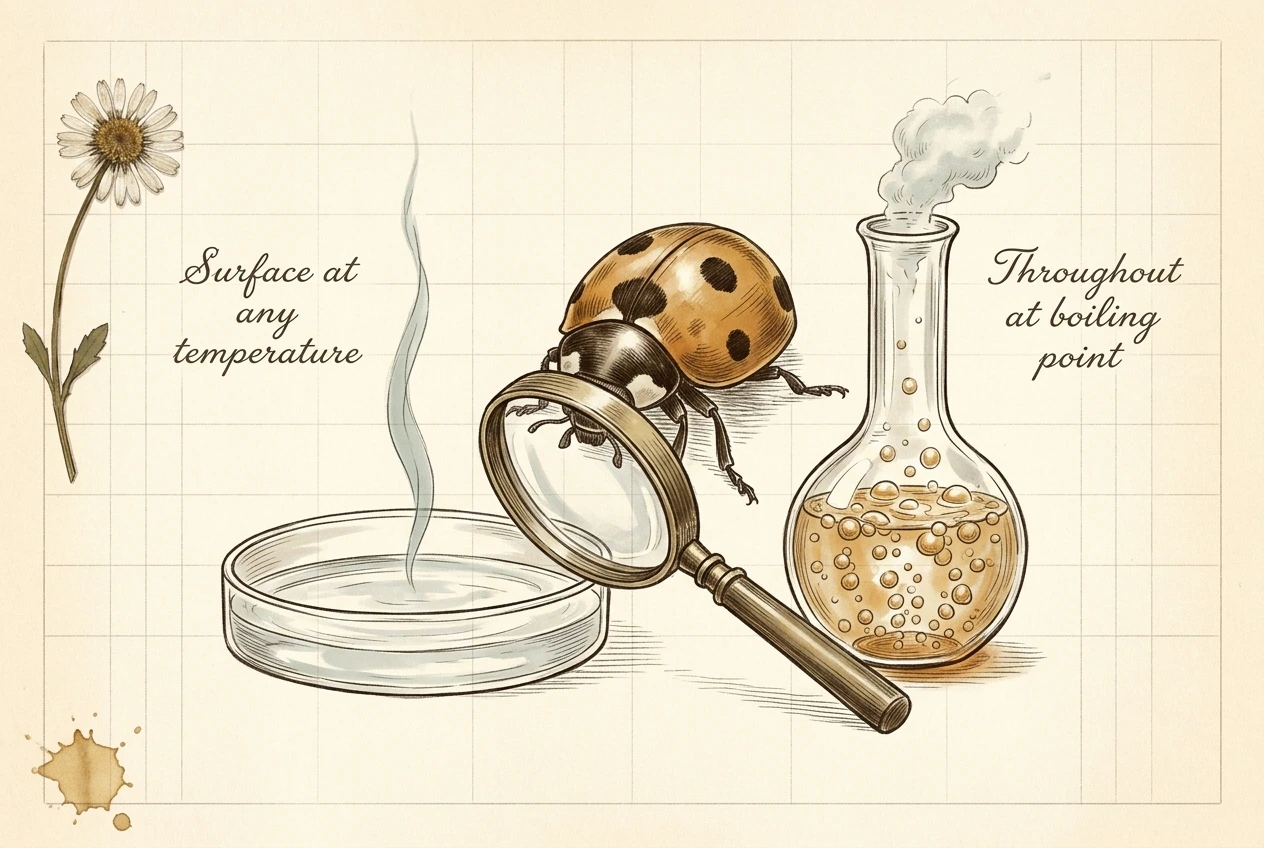
Evaporation and boiling both turn water into vapour, but happen under different conditions. Learn the differences and what the cloud above a kettle is.
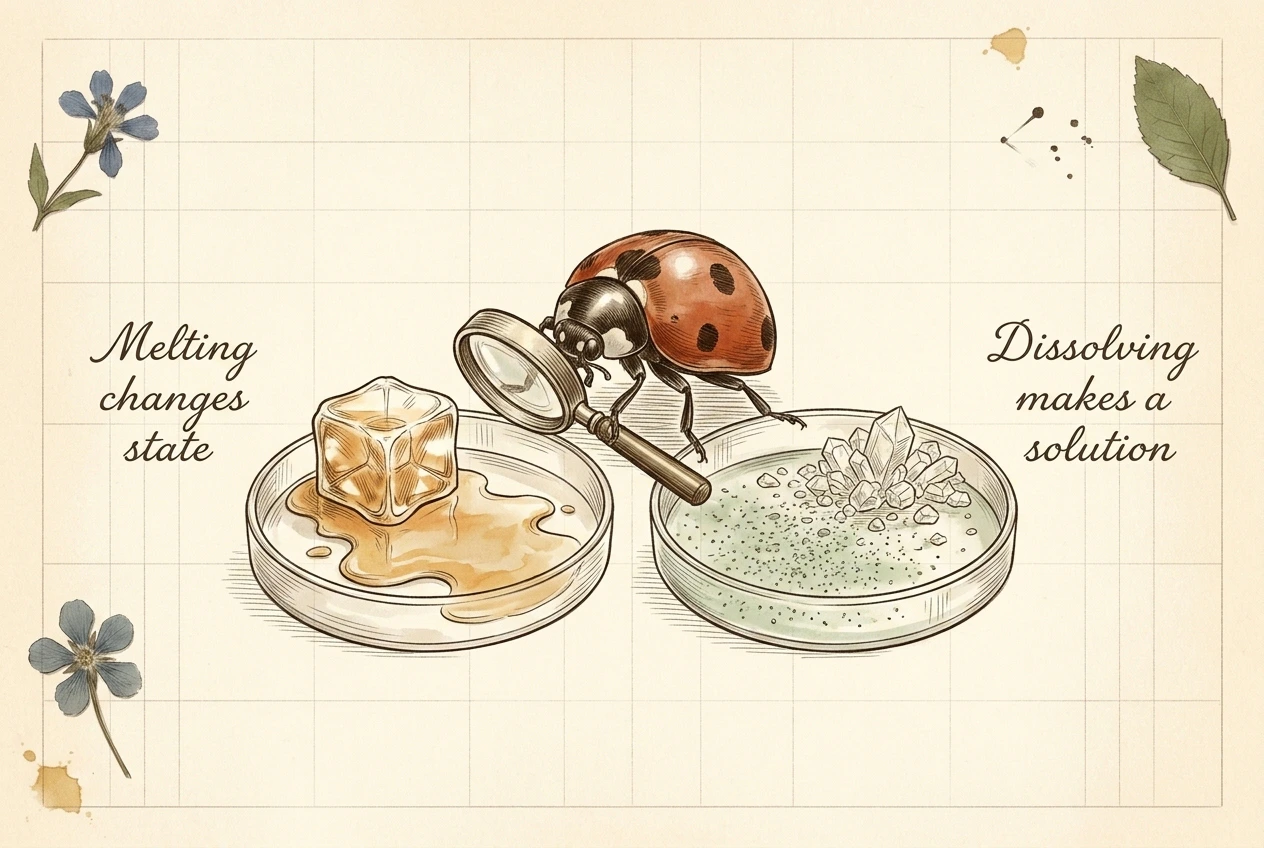
Melting and dissolving can both make a solid seem to vanish, but they are different processes. Use the freezer test to distinguish them in PSLE Science.
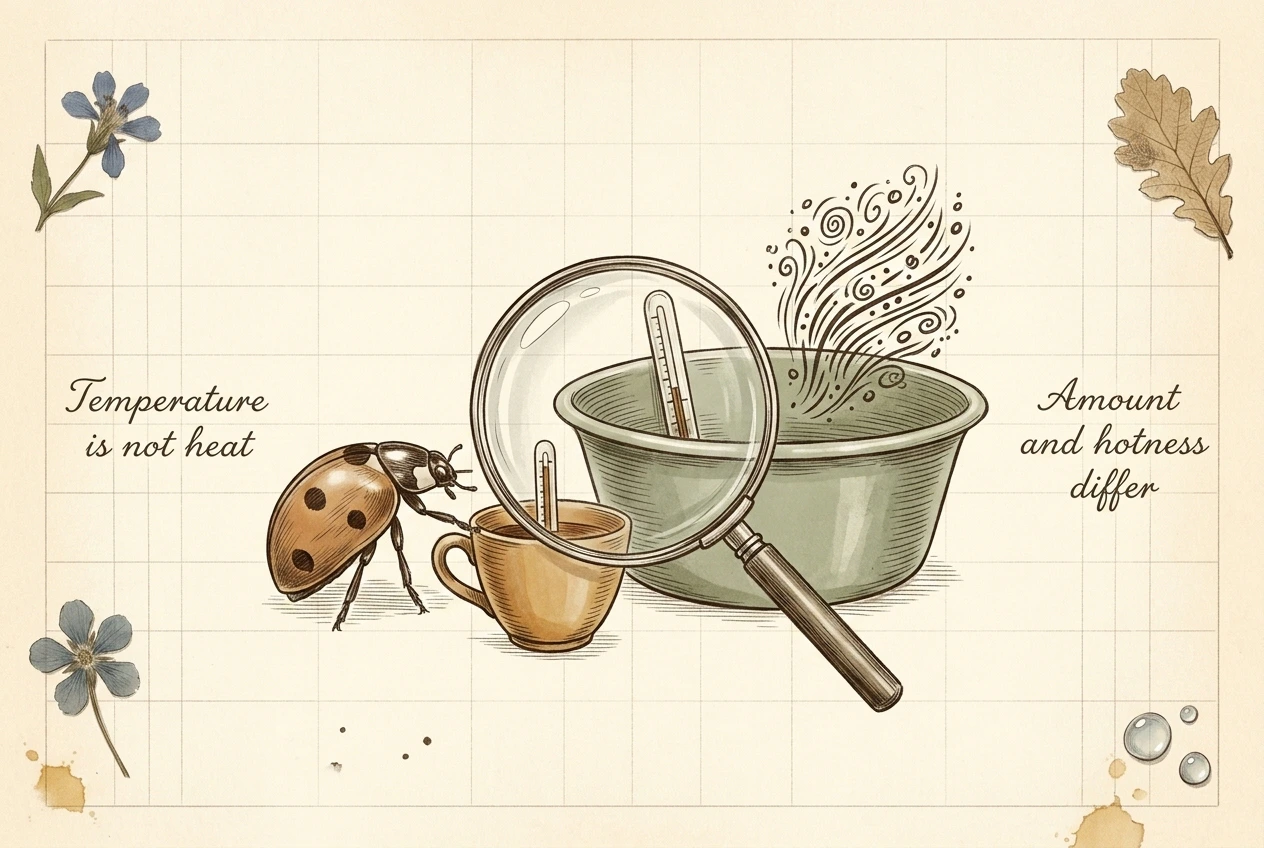
Heat and temperature are different quantities. Use a heating curve and a pool-versus-tea example to understand the distinction in PSLE Science.
A weekly series where we spotlight a tricky question.
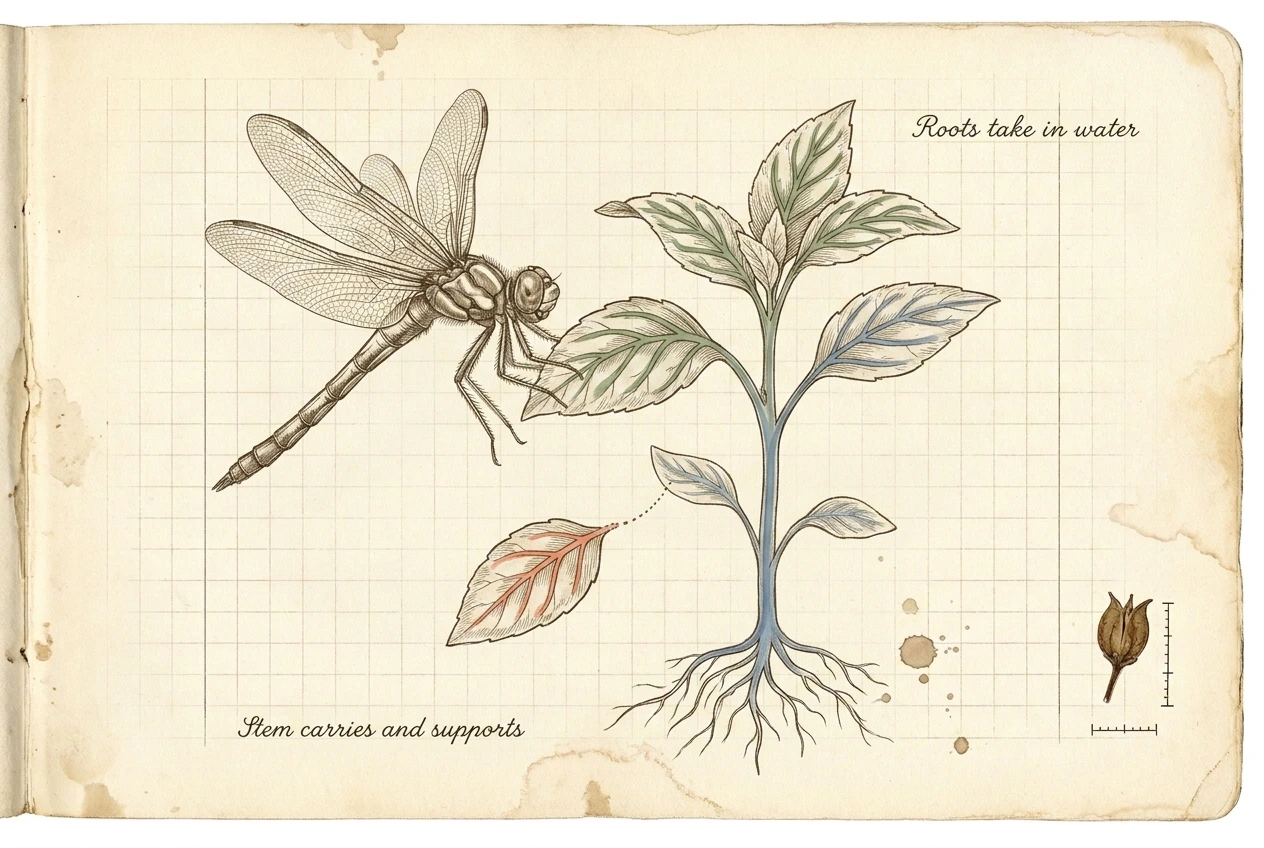
What does a plant stem actually do? Work through a tempting Primary 4 Science answer and learn how stems support a plant and transport water and food.
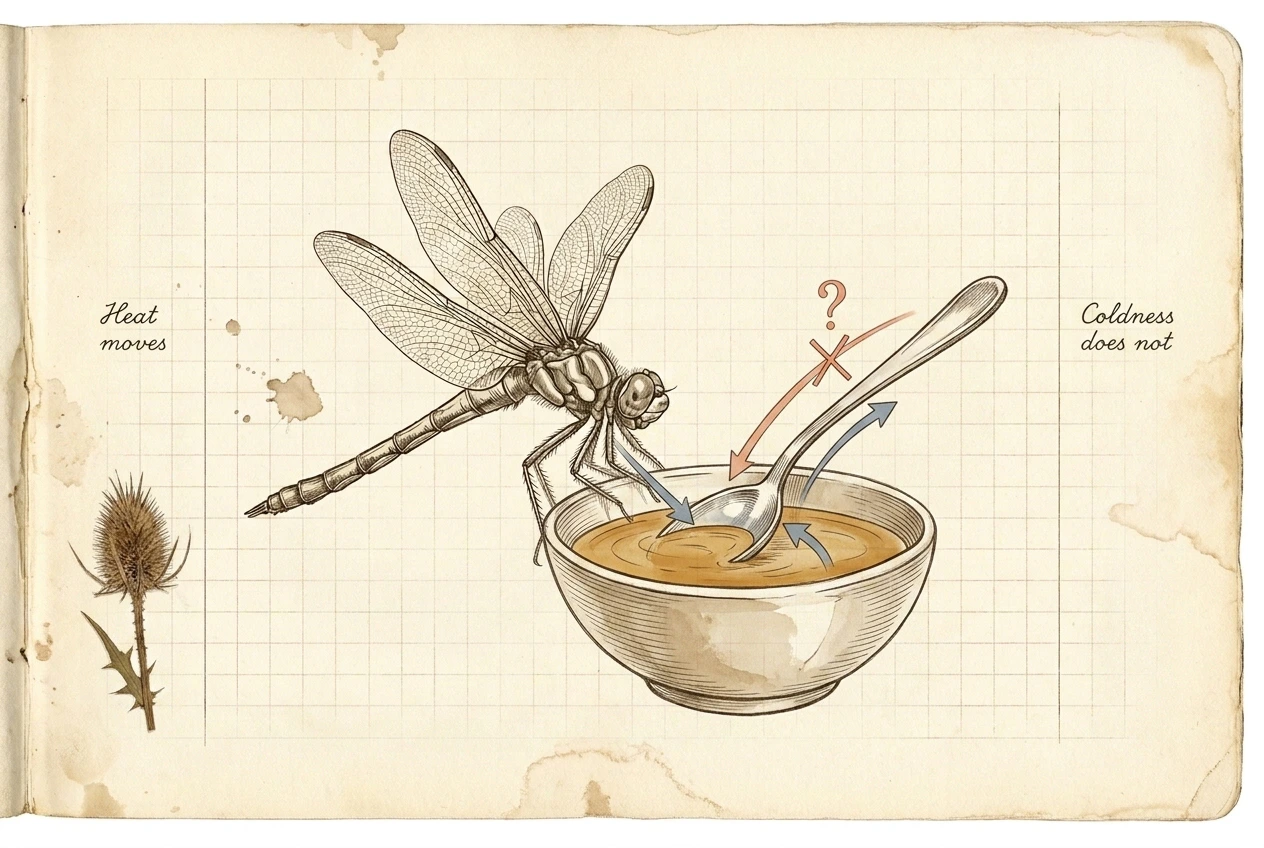
Why does a cold spoon become hot in soup? Follow one Primary 5 heat question to see how heat flows from a hotter object to a cooler one clearly.
Guides for supporting your child at home.
Follow a five-phase PSLE Science OEQ study plan: diagnose lost marks, practise topics and answering skills, then progress to timed Booklet B papers.
Singapore's 2026 phone ban addresses school hours. What happens at home matters more — and a free app called ScreenZen offers a research-backed middle path.
Complete PSLE preparation guide for science. Study plan, revision strategies, and free practice questions to help your child score well.
Students get stuck and have nowhere to ask. We built a follow-up question feature grounded in the PSLE syllabus — not a generic chatbot.
Kids should spend more time playing. We're building a learning tool that compresses study time — not expands it.
Study tips and exam guides for PSLE science.
Learn how to answer PSLE Science open-ended questions with a three-part Booklet B guide covering common mistakes, precise wording and experiments.

Practical PSLE science revision tips for parents. What actually works, what doesn't, and a topic checklist to track your child's progress — updated for 2026.
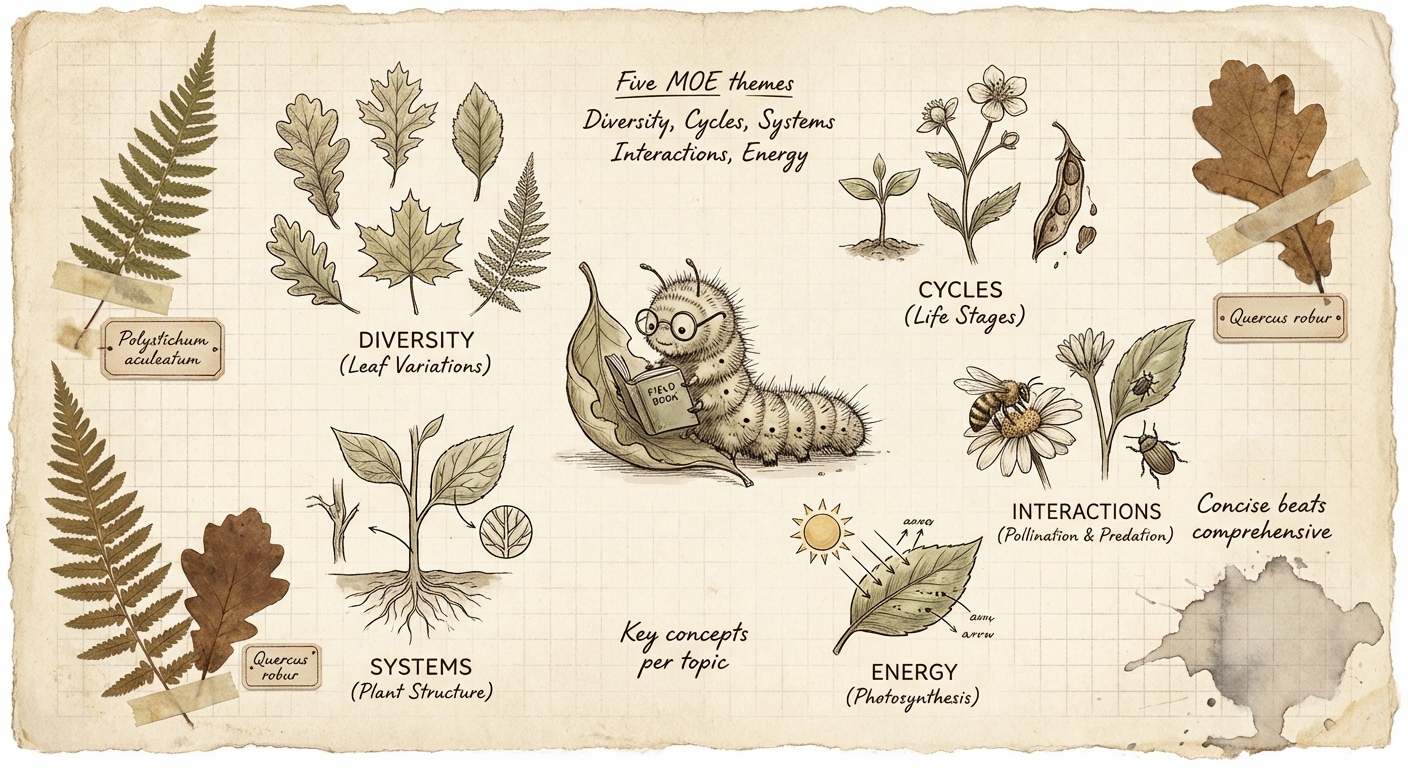
Free PSLE science revision notes organised by topic. Key concepts, definitions, and common exam questions for every primary science theme.
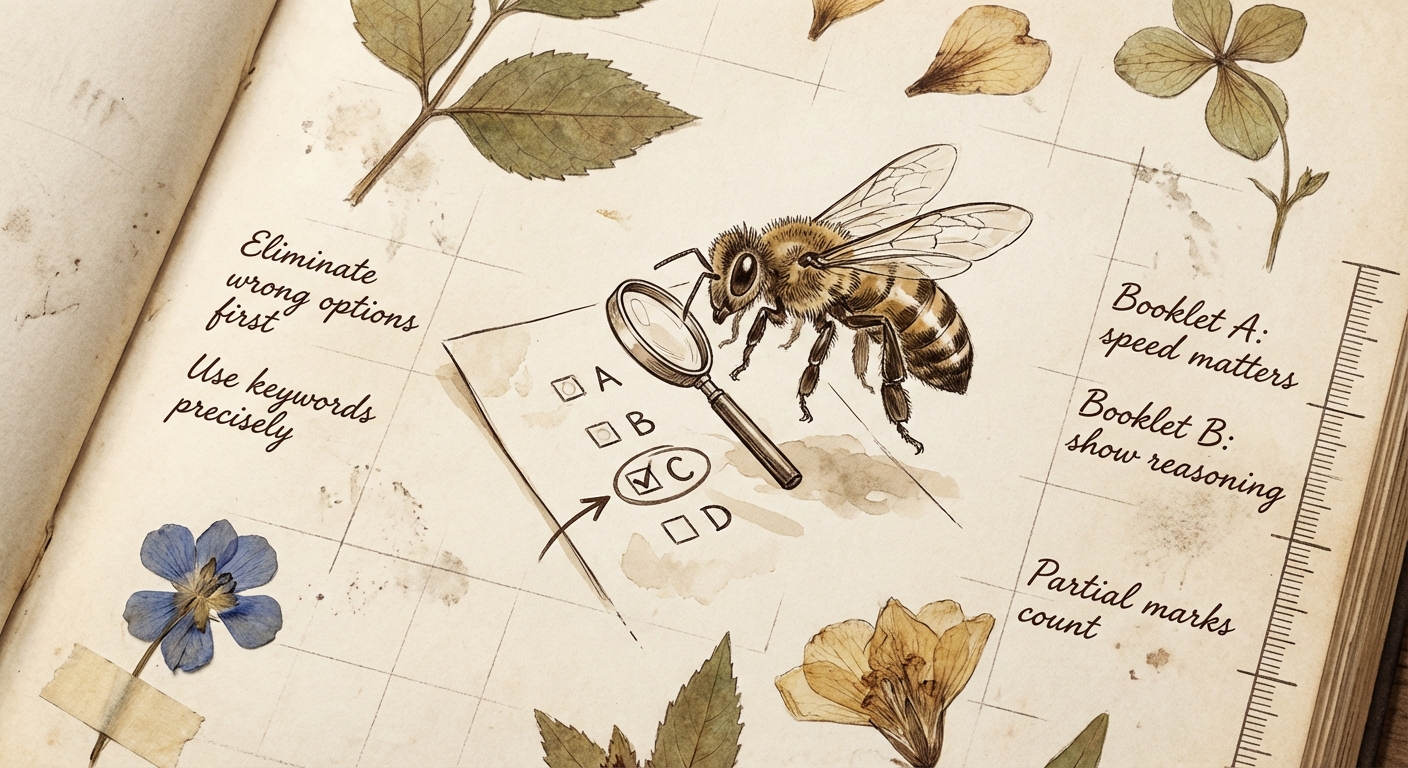
How to answer PSLE science questions for Booklet A (MCQ) and Booklet B (open-ended). Learn the CER framework, elimination strategy, and techniques to stop losing marks.

The 2026 PSLE Science paper: Booklet A (30 MCQs, 60 marks) and Booklet B (10-11 structured questions, 40 marks). Format breakdown, AL scoring, preparation strategies, and free practice questions.

How the PSLE AL grading system works in 2026. Calculate your child's aggregate score, understand each AL grade (AL 1-8), Foundation subjects, school cut-off points, and what score your child needs.
How the popular platforms compare for science.

Honest Geniebook review for 2026. We examine pricing, features, and whether it's worth it for primary science MCQ practice in Singapore.

Honest Superstar Teacher review for 2026. We examine pricing, video lessons, and whether it's worth it for primary science in Singapore.
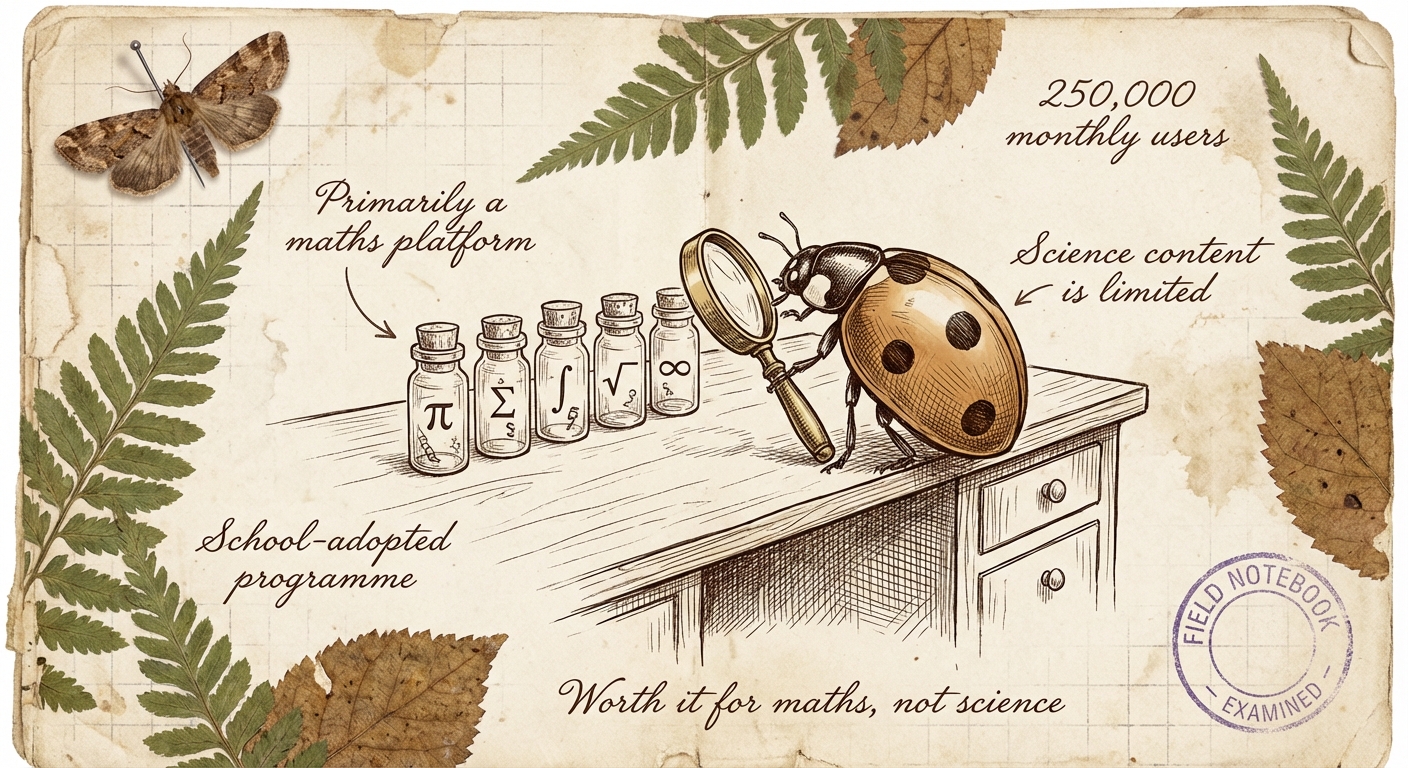
In-depth KooBits review for 2026 covering pricing ($216-264/year), maths features, science quality, and whether it's worth it. Includes 6-year cost breakdown and alternatives compared.